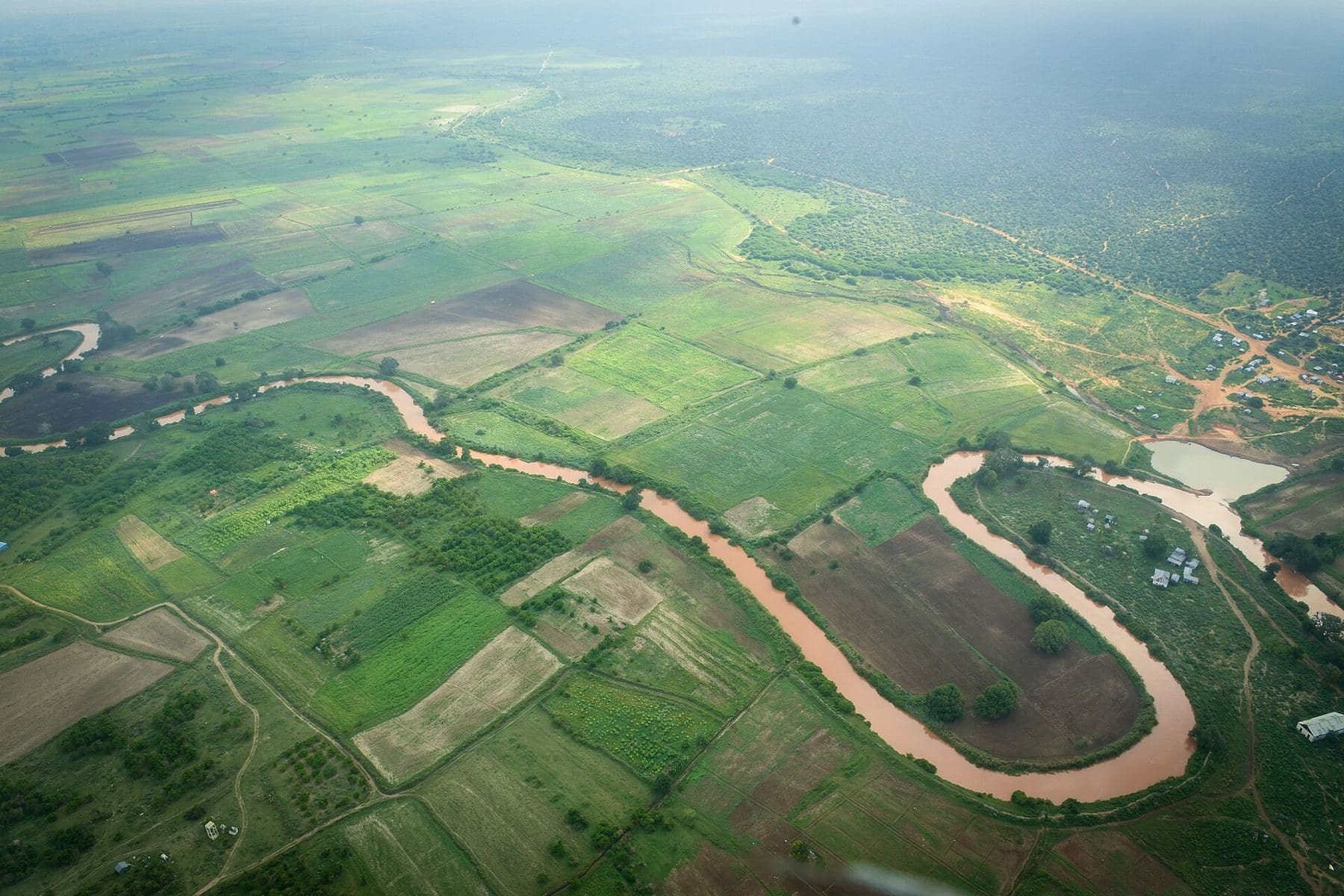
Somali-led · Community-rooted · Jowhar, Hirshabelle
Rooted in the Shabelle. Ready before the shock. Resilient for good.
SHARAN helps riverine, rural and displaced communities in South and Central Somalia anticipate climate shocks, recover with dignity and build lasting resilience, by linking early action, essential services, livelihoods and peace in one locally owned approach.
4
Strategic pillars
across the humanitarian–development–peace nexus
3
Initial regions
Middle Shabelle, Hiraan and Lower Shabelle
6
Core values
that spell our name: S-H-A-R-A-N
9
CHS commitments
guiding quality and accountability
Who we are
A local first responder with a long-term mandate
SHARAN is not a single-sector project implementer or a short-lived emergency outfit. It is a network-based local organisation that combines frontline response with long-term resilience.
We work through village committees, river and water-user groups, women's and youth groups, elders and local authorities, so that every intervention is owned locally and continues after funding ends.
- Headquarters
- Jowhar, Middle Shabelle
- Operational focus
- Shabelle basin, South & Central Somalia
Our value chain, from local reality to lasting resilience
- 1
Local reality
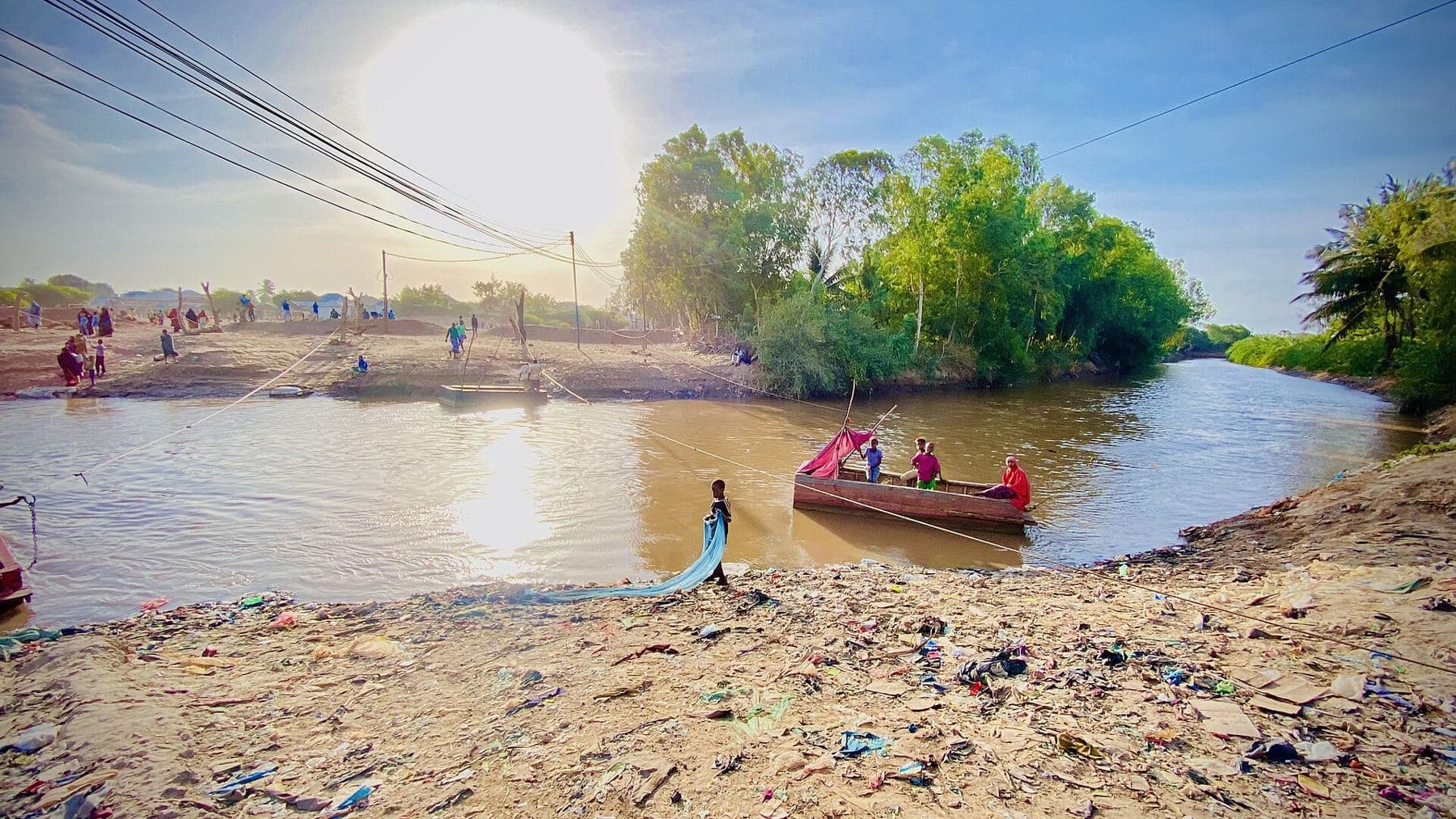
Community priorities, lived risk and local knowledge of the river and land.
- 2
Early action
Early warning, preparedness and timely response before and during shocks.
- 3
Recovery and services
Education, health, livelihoods and durable solutions after the shock.
- 4
Lasting resilience
Stronger communities, local organisations and social cohesion that withstand the next shock.
What we do
Four pillars. One locally owned approach.
Our work links humanitarian response, development and peace, so each intervention leaves a lasting asset behind.
Why SHARAN matters
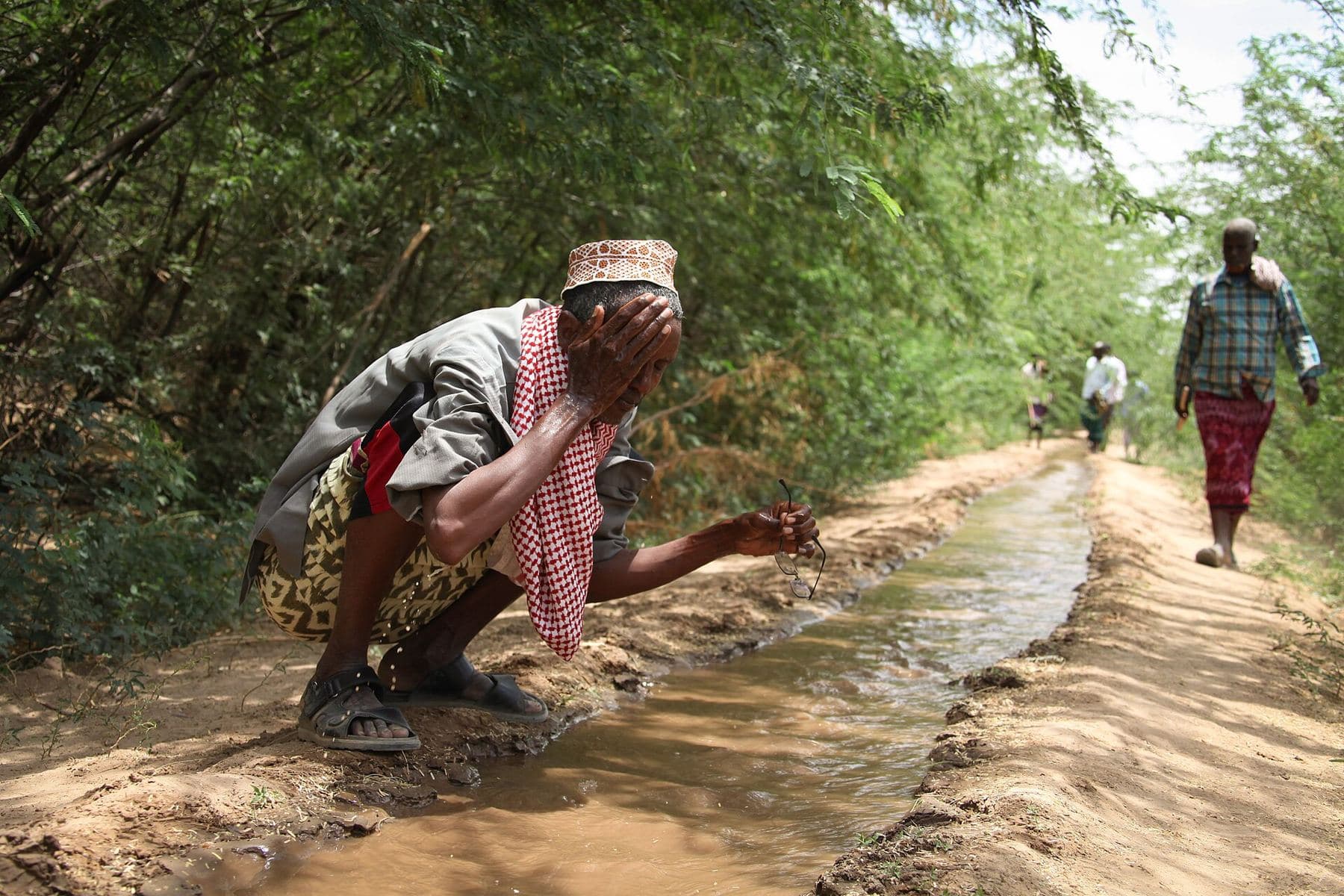
Along the Shabelle, a crisis rarely arrives alone.
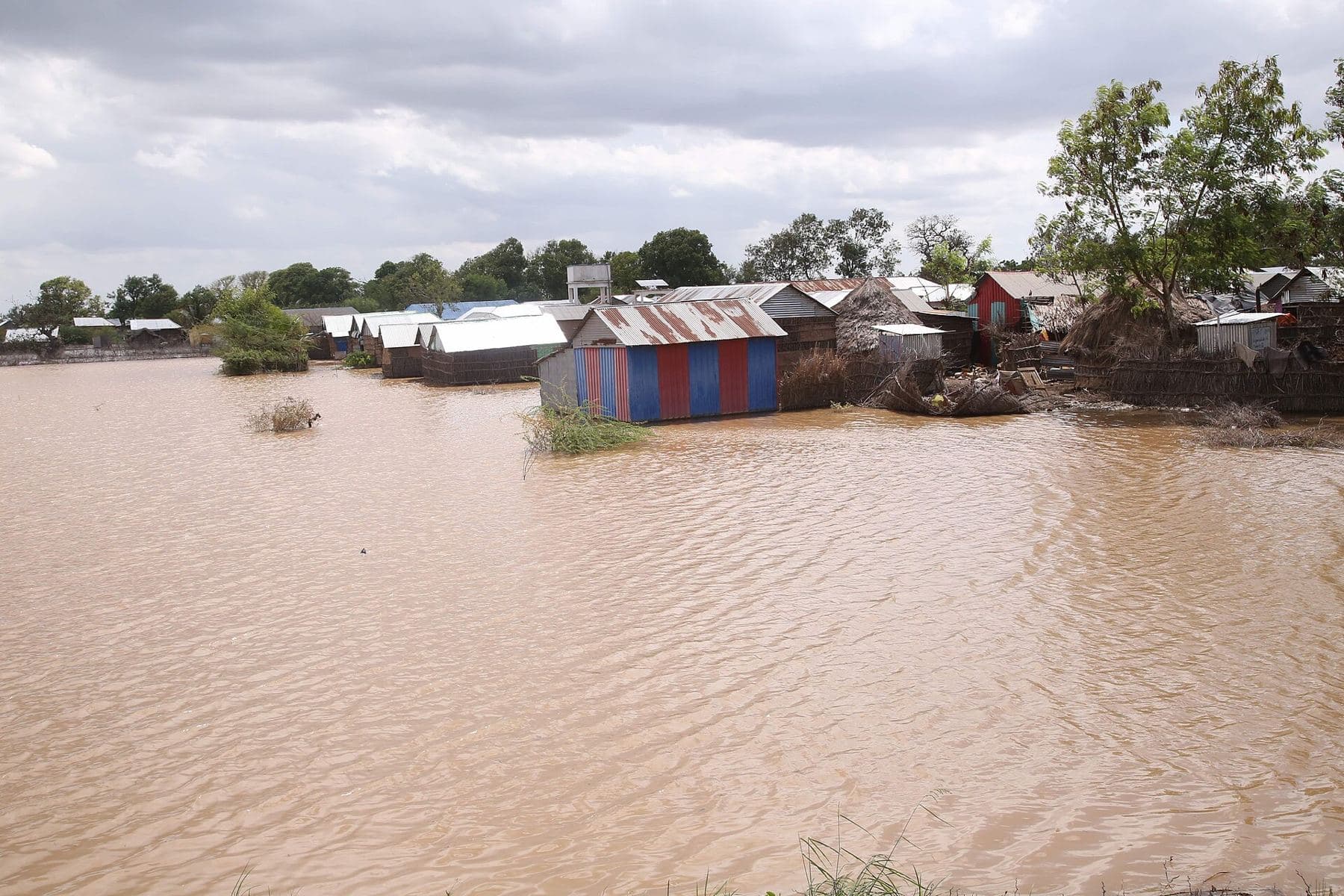
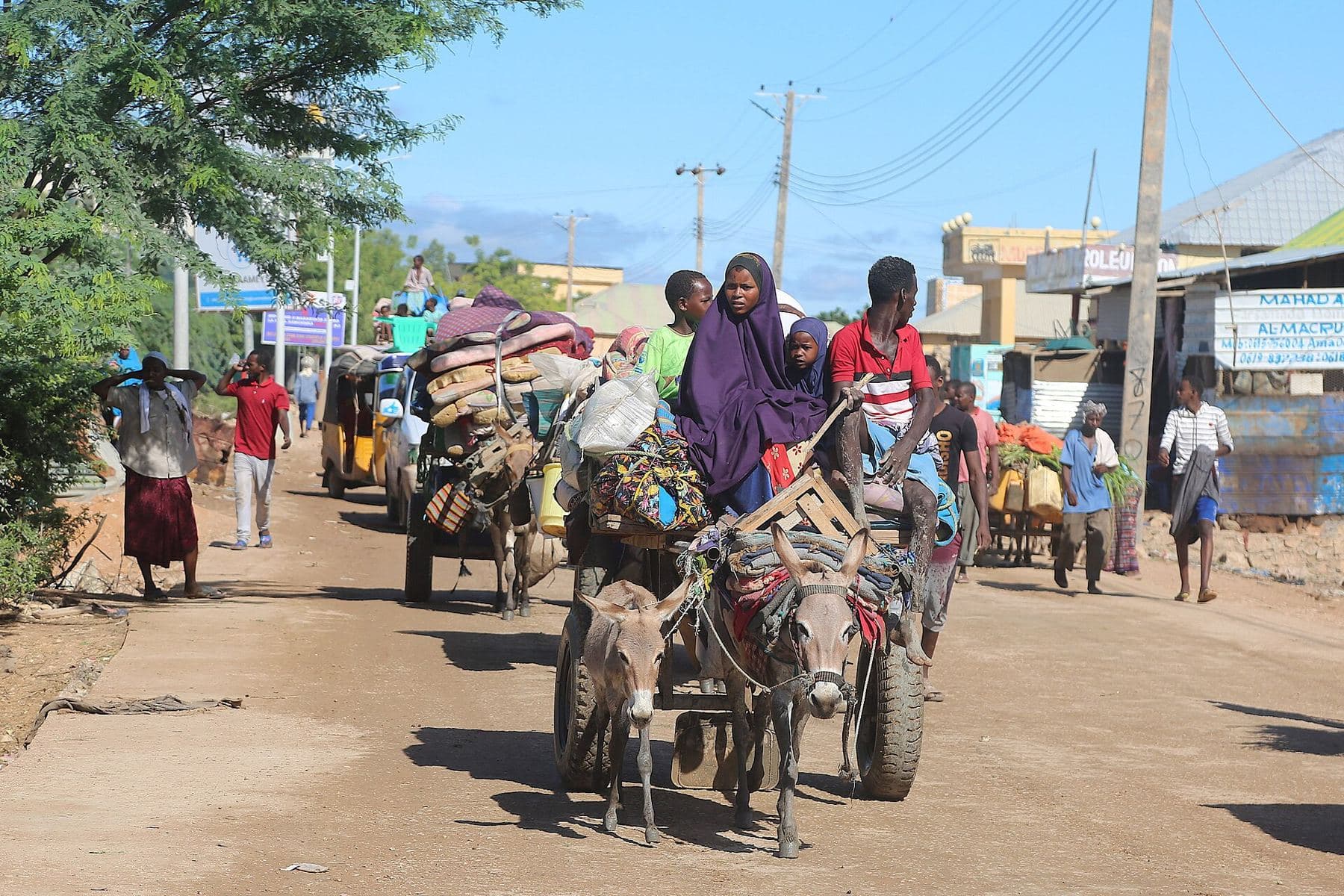
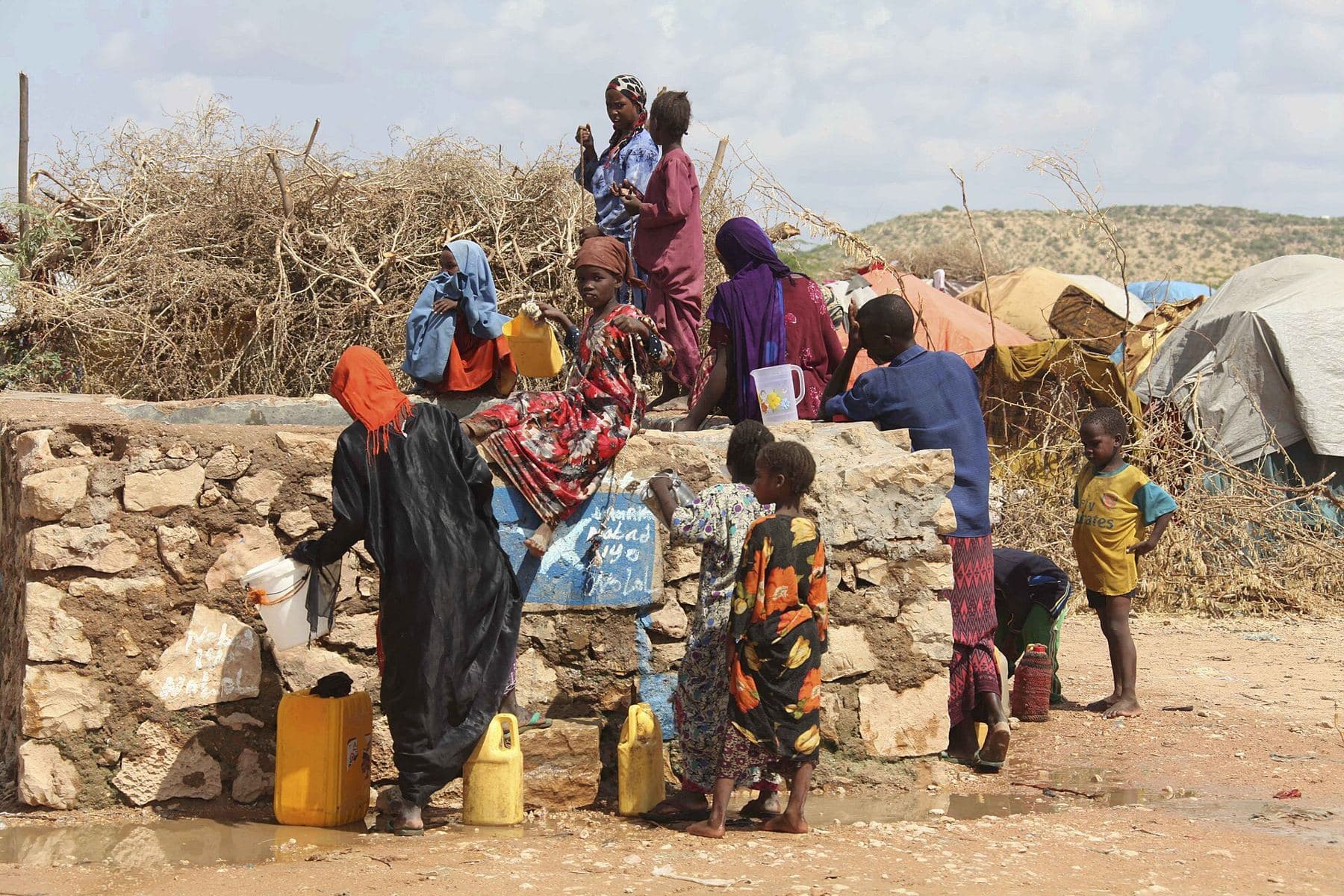
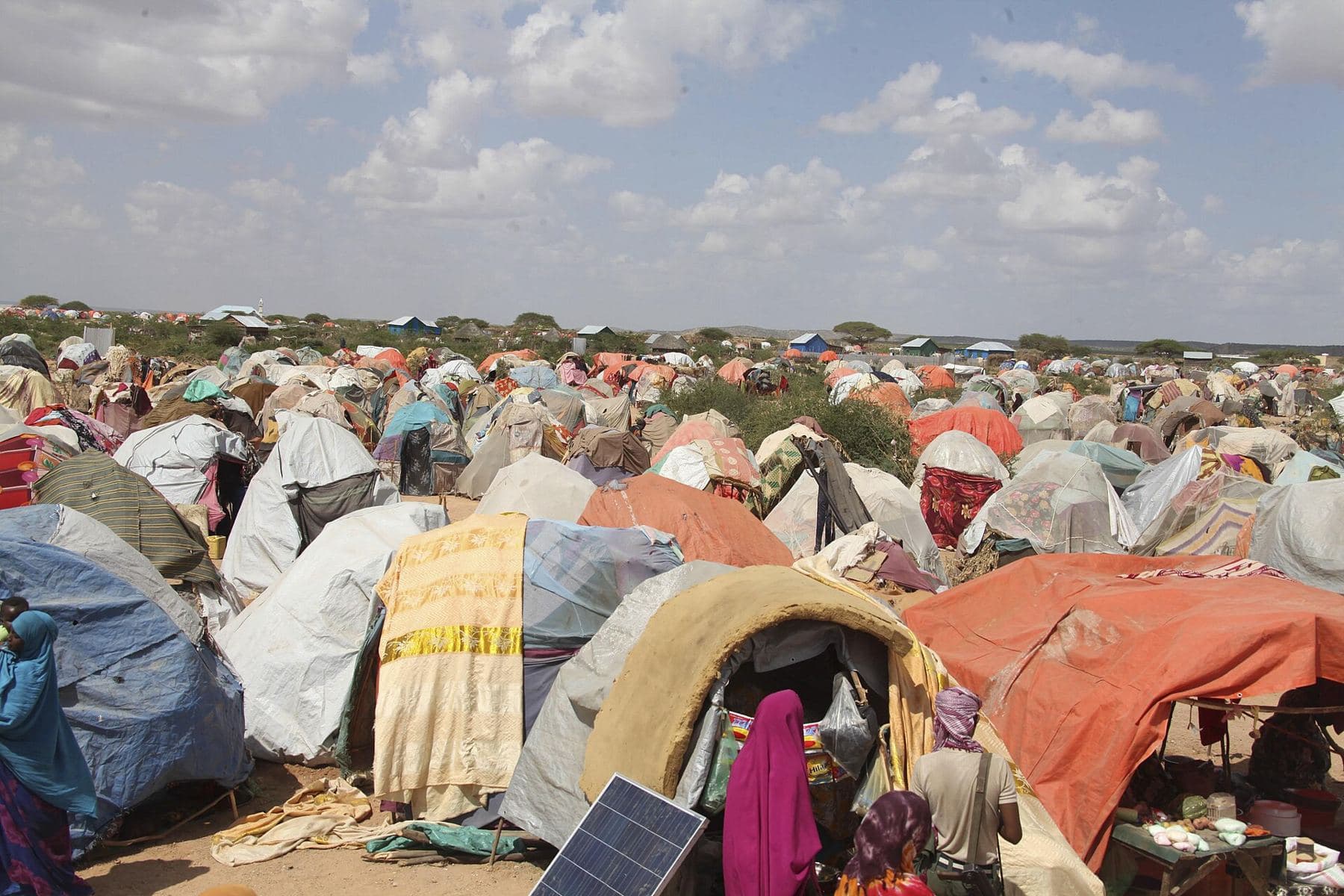
Flooding submerges IDP shelters and farmland, damages latrines and raises cholera risk. The next season, failed rains dry the river and push families into hunger and displacement. Clan tensions over land and water turn each shock into a longer crisis.
International funding to Somalia has fallen sharply since 2024, and the Humanitarian Reset commits partners to locally led action. Communities and donors now need credible local actors who can act early, deliver accountably and stay for the long term.
What if the people closest to the river led the response, before, during and after each shock?
The gap SHARAN fills
- 01
Few Jowhar-based actors
Most national NGOs are headquartered in Mogadishu, Baidoa or Kismayo, leaving Hirshabelle with limited local leadership in coordination.
- 02
Response without resilience
Seasonal relief rarely connects to irrigation, livelihoods, education and peace, so communities stay in the same cycle.
- 03
Early warning without early action
Forecasts exist, but community triggers, plans and resources to act on them are weak.
- 04
Underserved villages
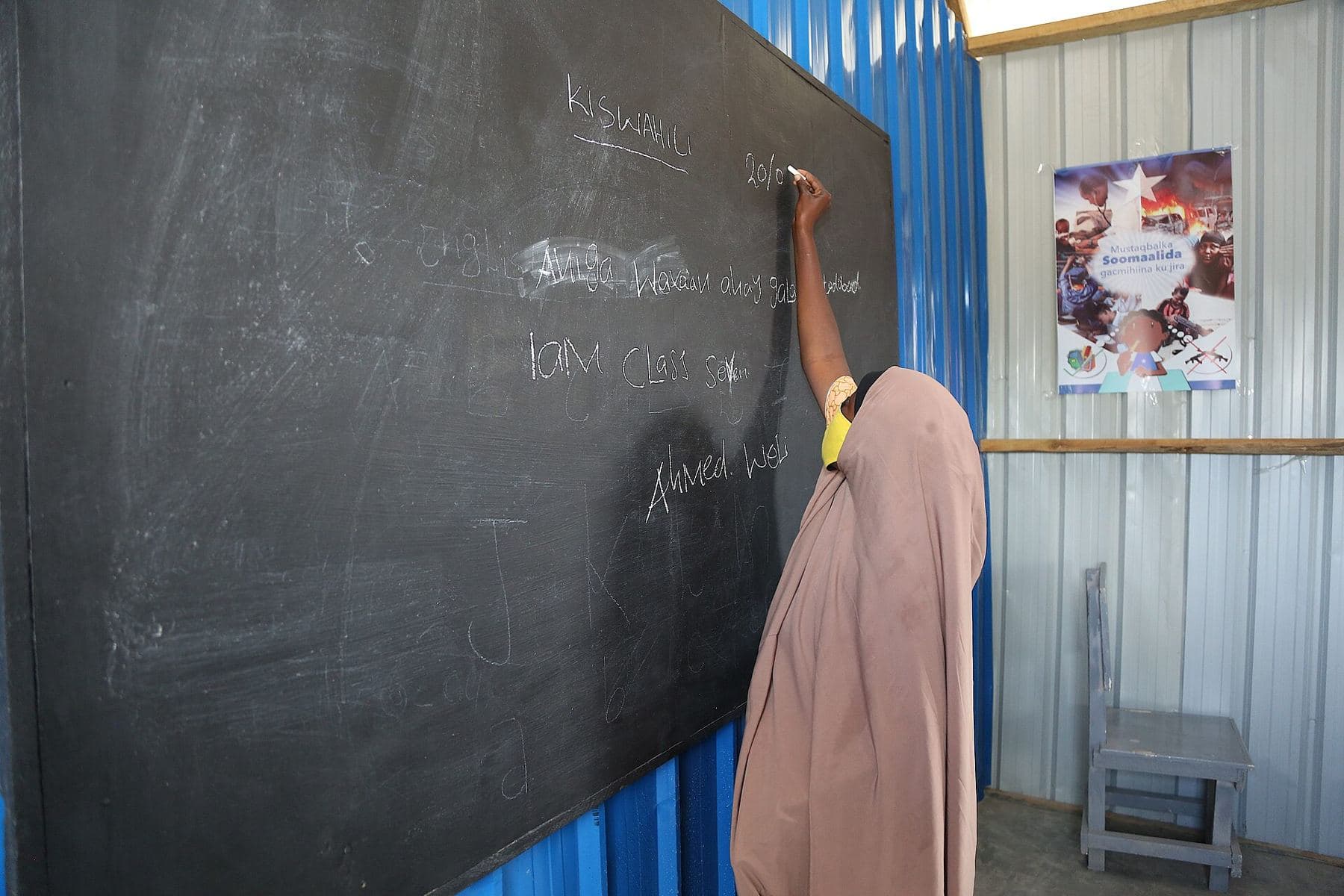
Many riverine and rural villages still lack schools, health facilities and vocational opportunities.
SHARAN's niche as a local NGO
- First-line local responder embedded in the Shabelle basin
- Connects humanitarian response to recovery and development
- Turns early warning into locally owned anticipatory action
- Brings community voice and evidence into planning
- Builds peace and social cohesion into every programme
Our values
Six values that spell our name
So that every staff member, volunteer and partner can remember them, and live them.
Solidarity
We stand with communities before, during and after crises, and stay when others leave.
Humanity and dignity
Every person is of equal worth; assistance protects dignity, not only needs.
Accountability and integrity
We are honest and transparent with communities, authorities and partners, with zero tolerance for fraud, corruption, exploitation and abuse.
Respect and inclusion
We respect local culture, faith and knowledge; women, youth, minorities, IDPs and persons with disabilities are agents of change.
Action and learning
We act early and practically, learn from evidence and community feedback, and improve continuously.
Neutrality and impartiality
Assistance is based on need alone, never on clan, political or other affiliation.
Where we work
The river is our anchor, not our boundary.
Headquartered in Jowhar, the capital of Hirshabelle State, SHARAN grows in phases so that every new area is matched by real presence, community relationships and the capacity to deliver.
- Headquarters
- Phase 1 · Core
- Phase 2 · Expansion
- Phase 3 · Wider reach
Phase 1 · Core
Middle Shabelle: Jowhar, Balcad, Mahaday, Adale
HQ operations, flood and drought response, education, livelihoods
Phase 2 · Expansion
Hiraan and Lower Shabelle
Riverine resilience, durable solutions, peacebuilding
Phase 3 · Wider reach
Banadir, Galgaduud, Bay, Bakool, Gedo and the Juba regions
Partnership and consortium-based programmes
Who we prioritise
Whole communities, with priority for those least heard.
SHARAN serves whole communities, but gives priority to those who face the greatest barriers to services, resources and decision-making.
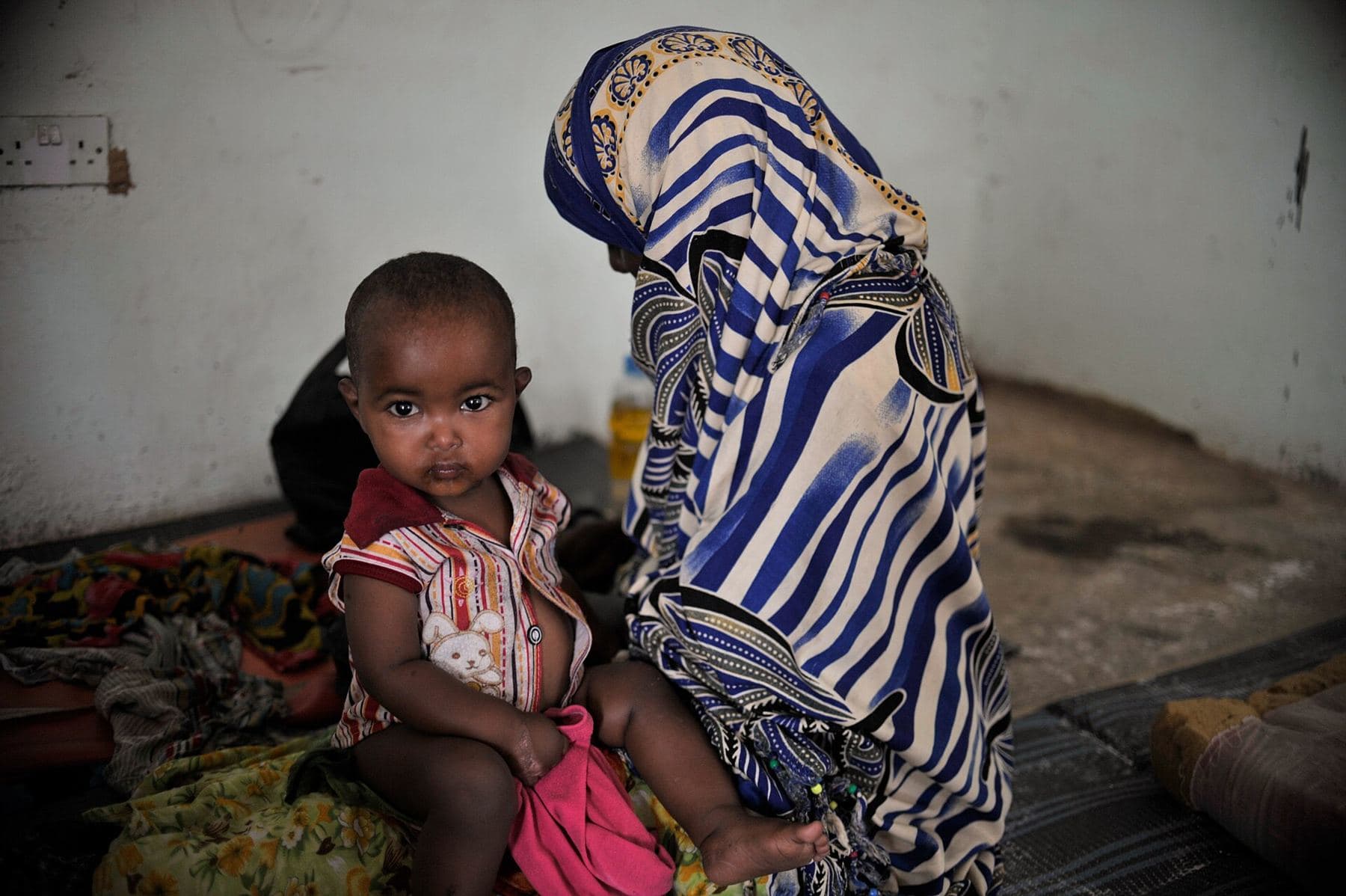
Women and girls
Carry much of the burden of displacement and food insecurity; face GBV risks and exclusion from decisions.
Children
Most out of school, most affected by malnutrition and disease, and at risk of child labour and recruitment.
Youth
A large and largely unemployed population; with skills and a voice, they become drivers of peace and recovery.
Internally displaced persons
Repeatedly displaced by floods, drought and conflict, often in protracted and unsafe sites.
Minority and riverine communities
Often excluded from land, services and aid along the Shabelle.
Persons with disabilities and older people
Face added barriers to aid, education, health and livelihoods.
News & insights
Latest from SHARAN
Partner with SHARAN
Invest in communities that are ready to lead their own resilience.
We welcome partners who value local ownership, accountability and lasting results.